
History of Hotel Finse 1222
A name shaped by nature
Before it all
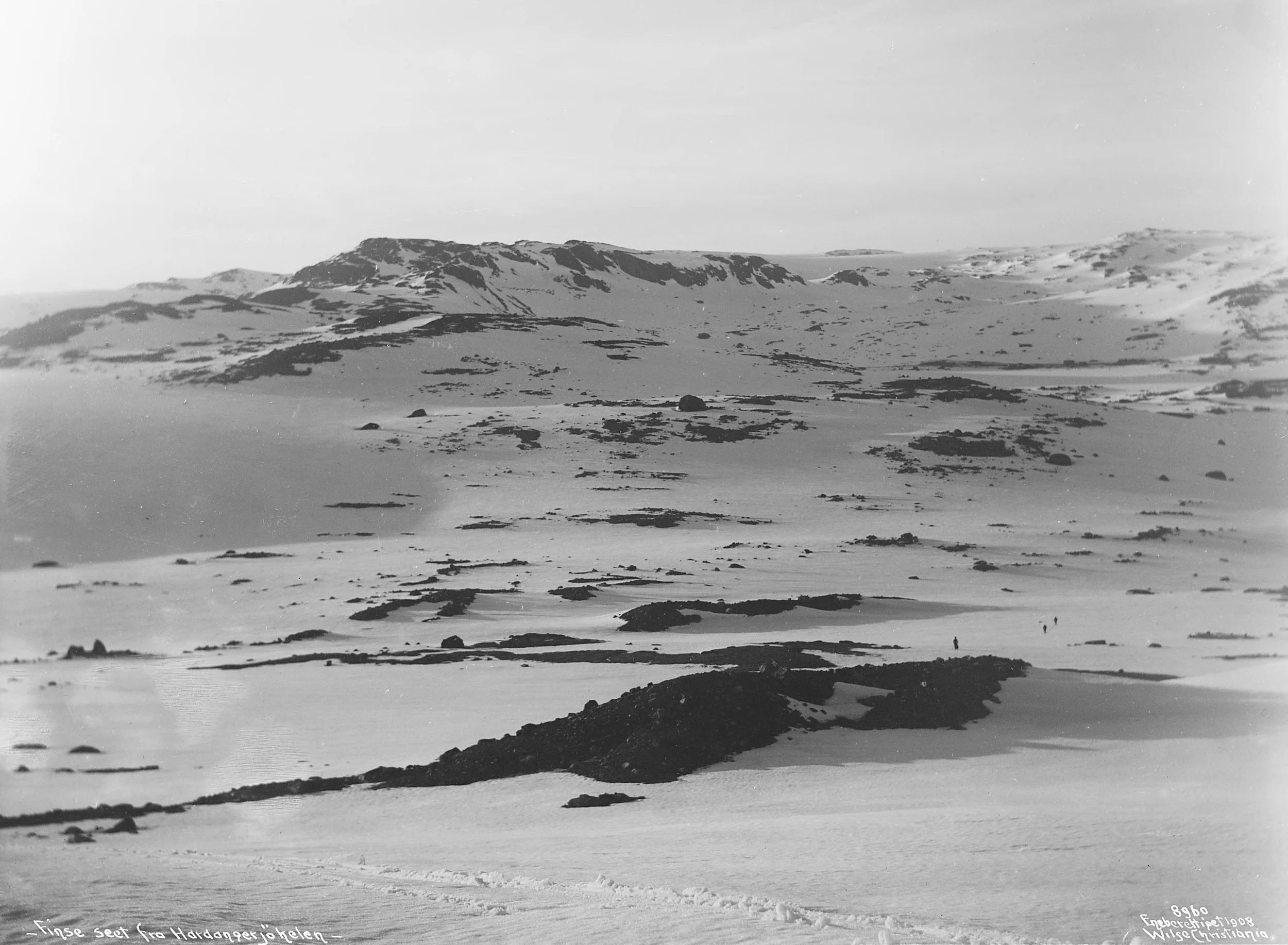
The name Finse likely comes from Old Norse and means “lake in the wilderness,” a perfect match for the high mountains, vast Finsevatnet, and untouched terrain that define the place. Long before railways or hotels, this landscape was shaped by weather, wildlife, and the rhythms of snow and wind.
A country divided by geography
Mid-1800s
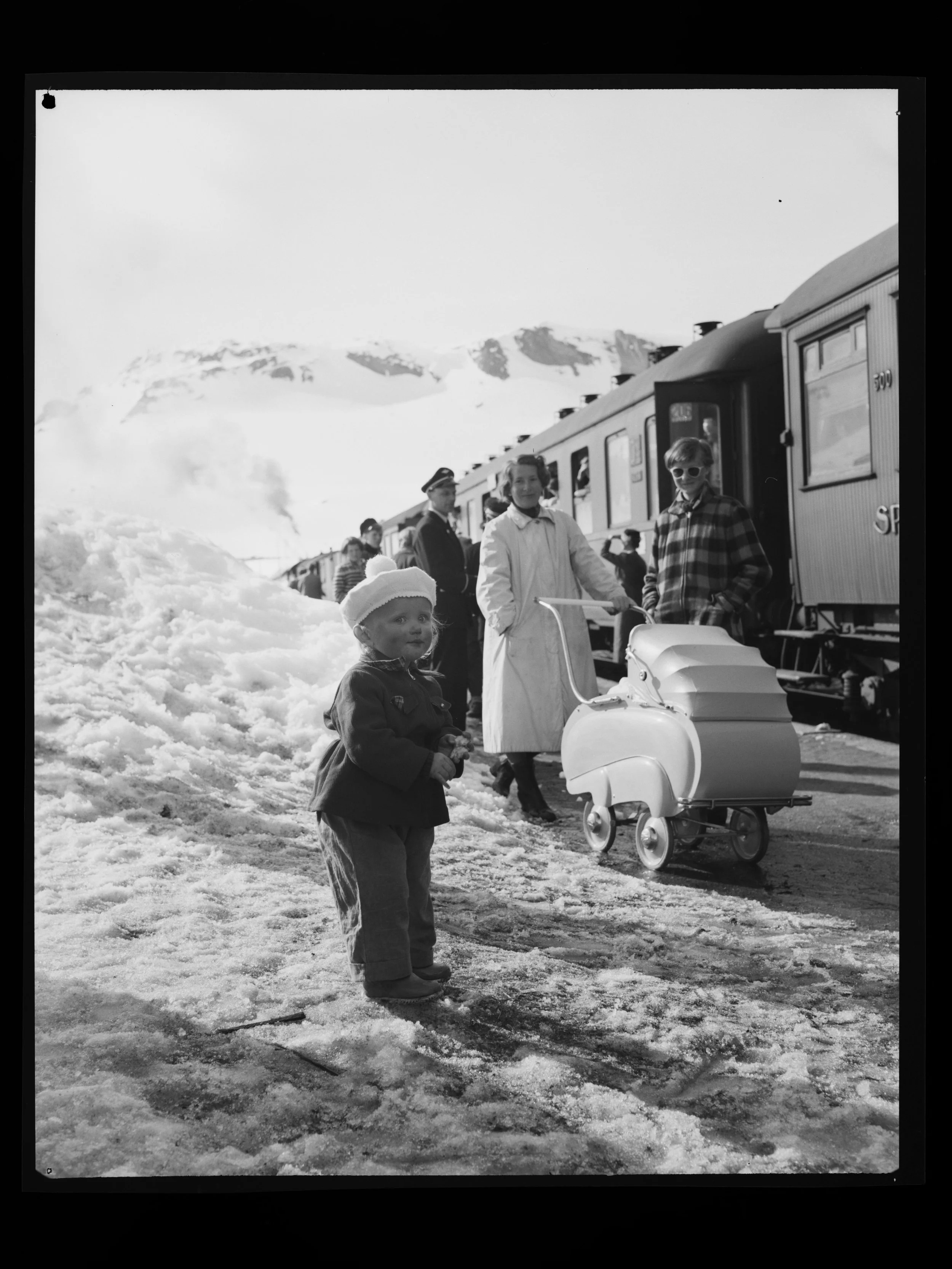
Travel between eastern and western Norway was slow, fragmented, and often impossible in winter. As Norway grew, so did the desire to link its two most important cities, Oslo (Kristiania) and Bergen, with a railway that would shape the nation’s identity and infrastructure.
Engineering against nature
1896-1909
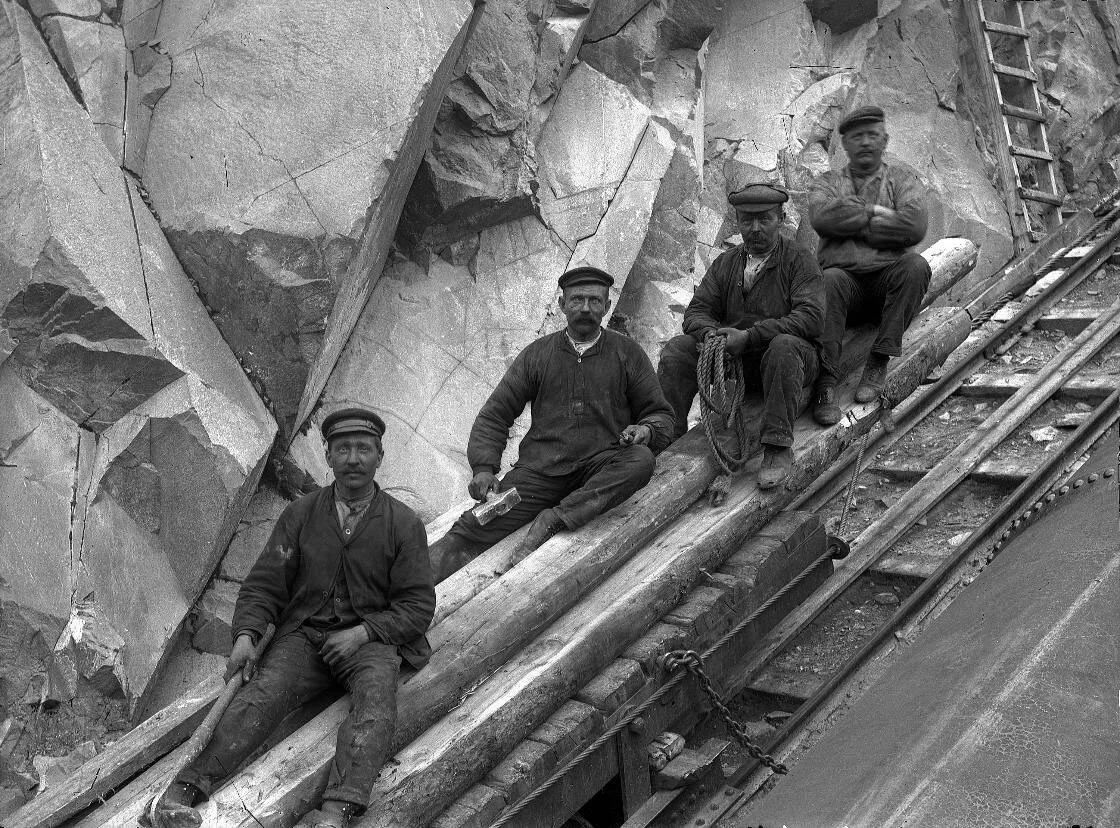
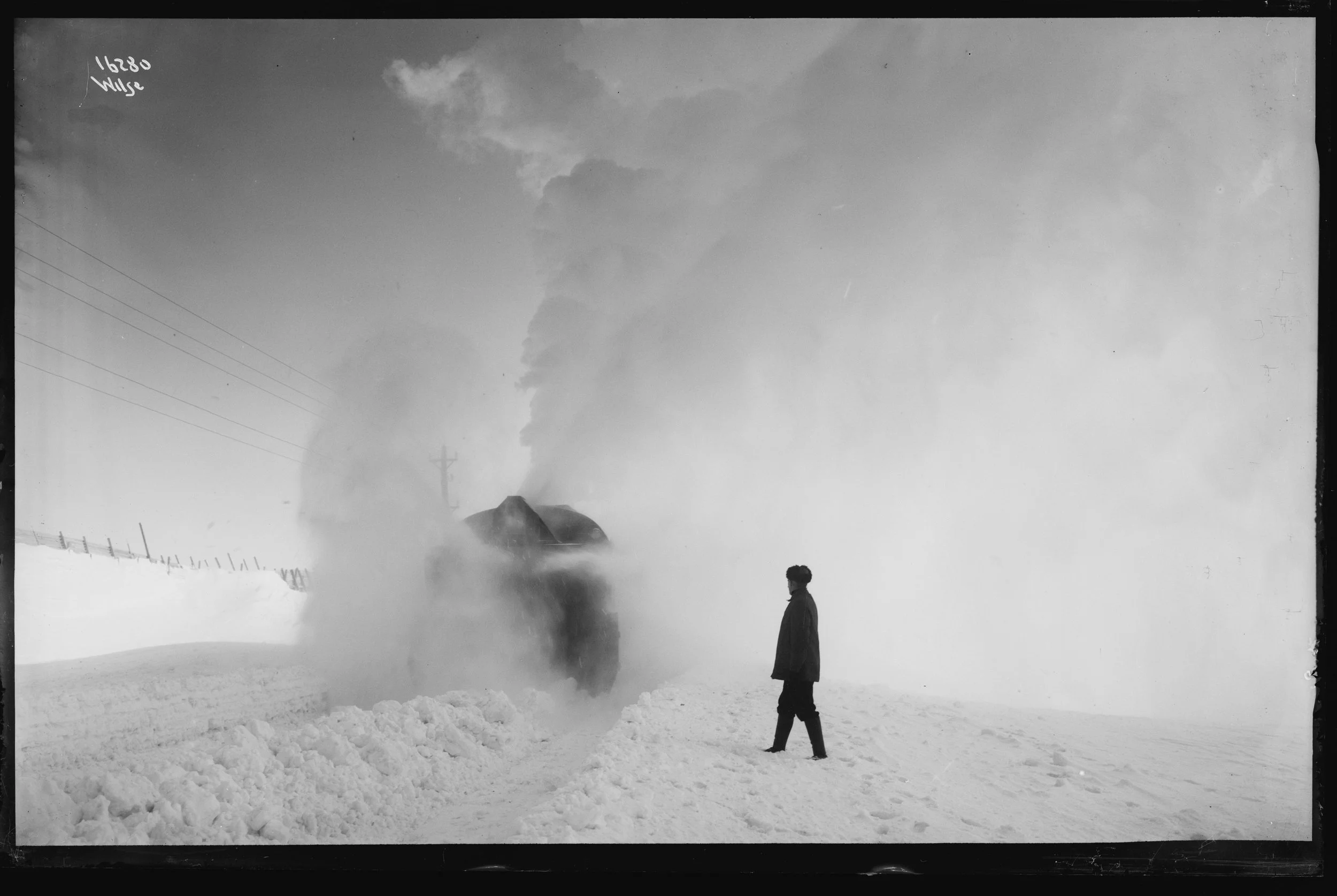
Construction of the Bergen Line became one of the most challenging feats of its time. Railway workers endured extreme weather, avalanches, and snowdrifts that could swallow entire camps. Finse emerged as a crucial support point, a place where workers could eat, rest, and prepare to face the next storm.
From simple shelter to alpine hub
1901
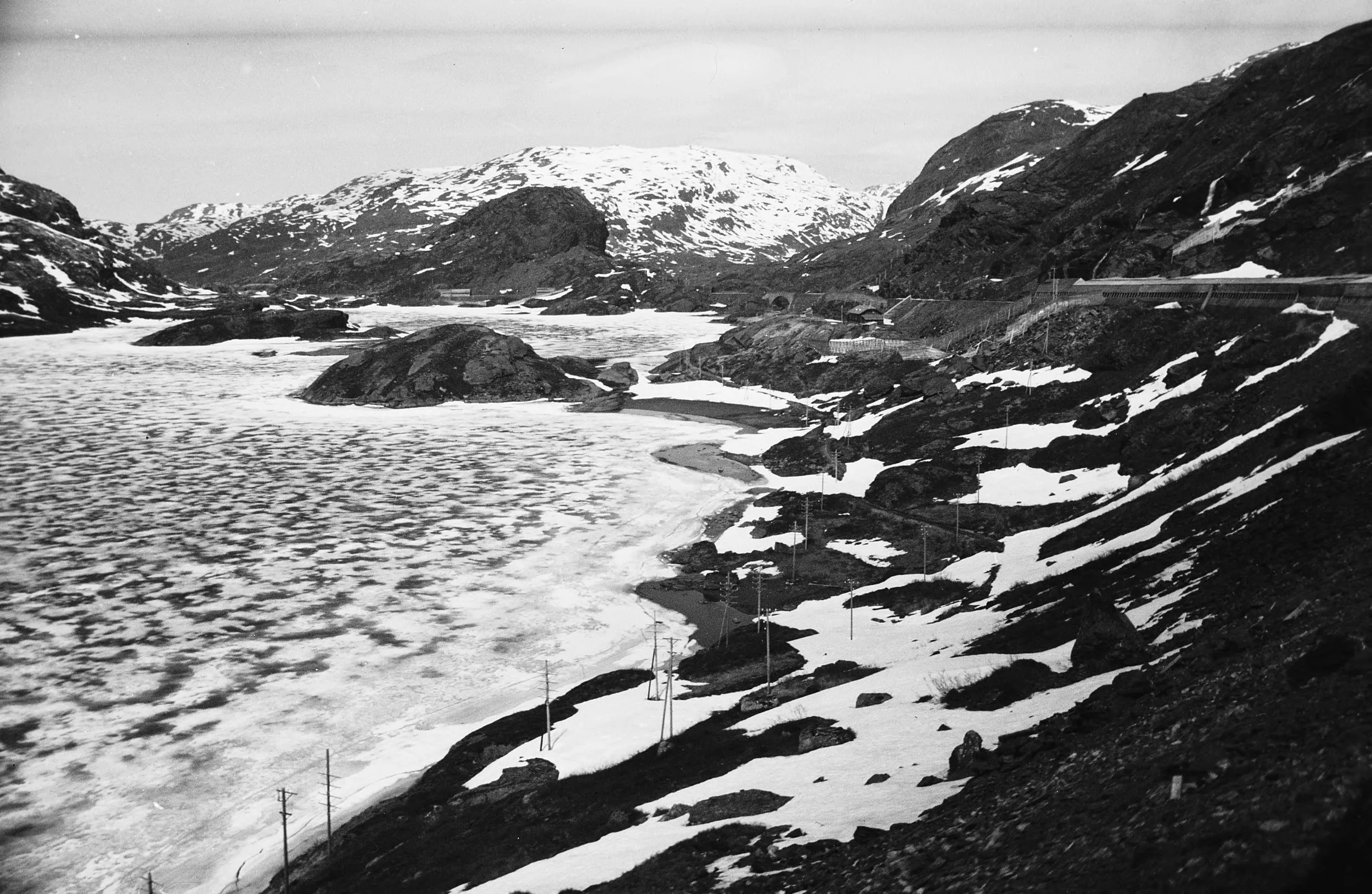
The first building at Finse was a humble hut at the station, intended to support the railway crews. It provided necessities in a harsh climate, and set the foundation for something much larger to come.
Reaching the roof of Norway
1908
On 10 June 1908, Finse Station opened at 1,222 meters above sea level, the highest railway station in Norway and on the Bergen Line. There were no roads here; everything arrived by rail, and Finse became a permanent settlement with workers, services, and a growing sense of place.
finse Fjeldstue opens
1909
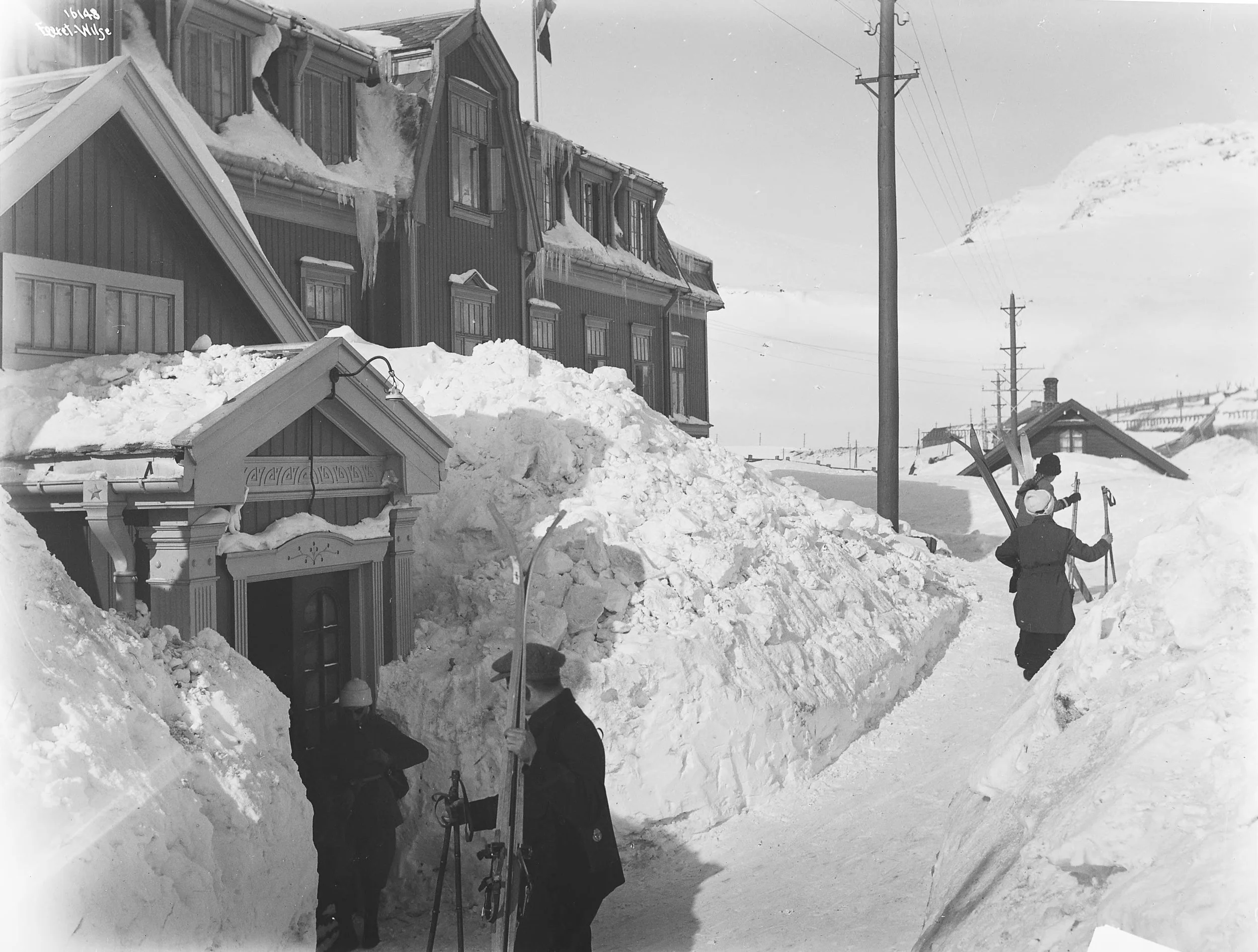
As the Bergen Line neared completion, Finse’s station hut evolved into a proper guesthouse, and in 1909 it officially opened as Finse Fjeldstue, part safety refuge, part welcoming stop for travelers braving the mountain route.

Alice Lister Fangen: A driven pioneer
1908
After a few months, the hotel was taken over by Alice Lister Fangen, a resourceful five-child mother who had already been running a predecessor guesthouse at Finse since 1903. Her energy and hospitality helped shape the hotel’s early identity and its reputation across Europe.
A roof for ice and ambition
1914
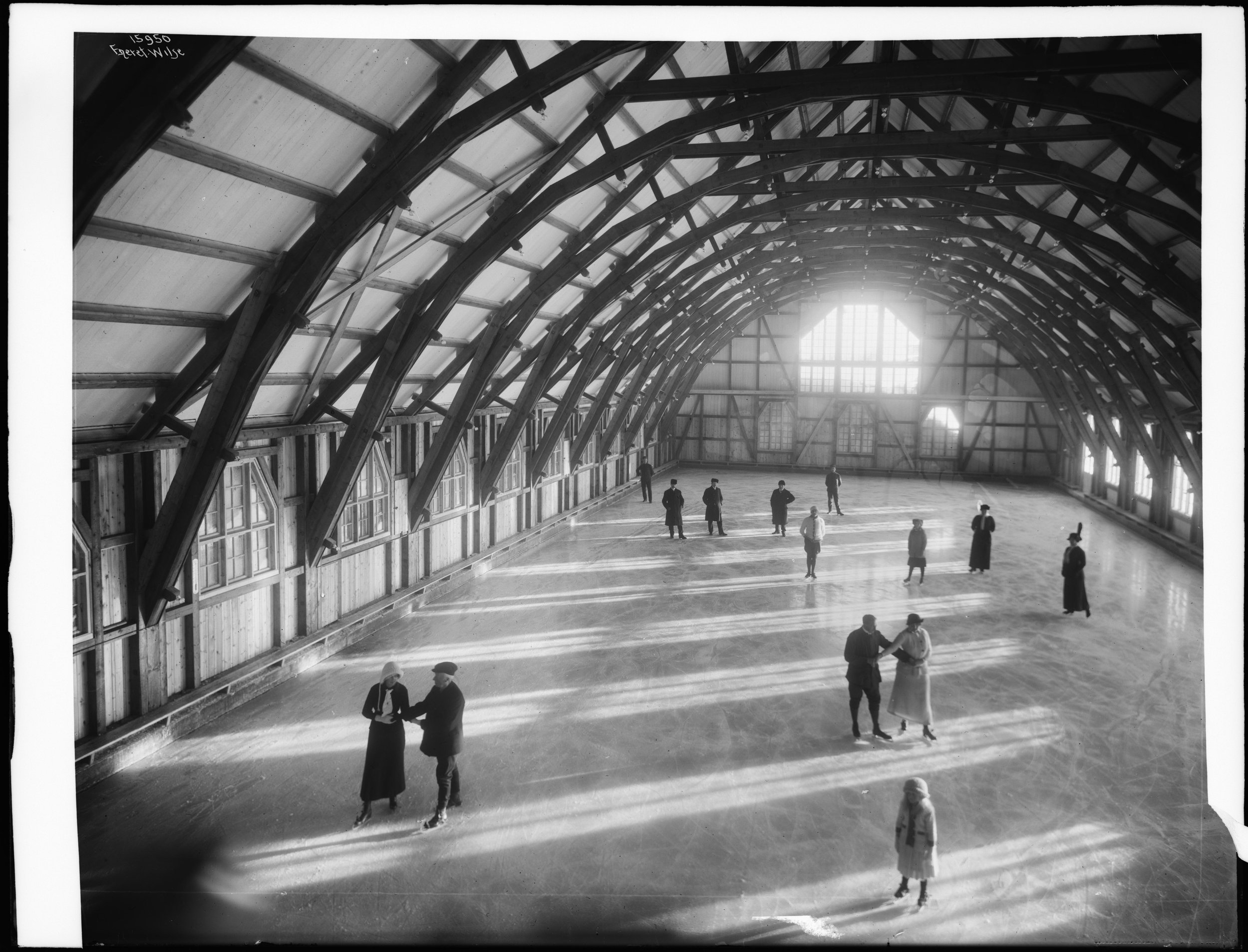
In 1914, Finse opened what is believed to be the world’s first indoor ice rink. It attracted great athletes like Sonja Henie and Oscar Mathisen to train in the mountains, mixing sport, society, and alpine culture.In 1914, Finse opened what is believed to be the world’s first indoor ice rink. It attracted great athletes like Sonja Henie and Oscar Mathisen to train in the mountains, mixing sport, society, and alpine culture.

Golden era of guests
1916-1930´s
In 1916, Andreas Klem took over the hotel and guided it through 17 years of growth. This era welcomed explorers and prominent figures including King Haakon, Fridtjof Nansen, polar aviator Tryggve Gran, author Karen Blixen, and intrepid adventurer Ernest Shackleton, who trained here before Antarctic expeditions.
War and transforamtion
1940 - 1945
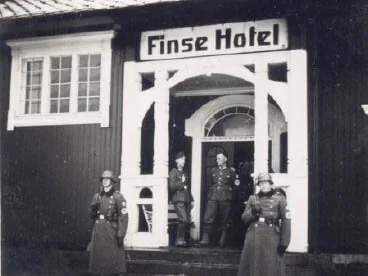
During World War II, the hotel was requisitioned by occupying forces who attempted to build an airstrip and test aviation fuel under arctic conditions on nearby Hardangerjøkulen. One plane that landed could not take off again and had to be dismantled and shipped back by train after the war, a dramatic footnote in the hotel’s story.
The Resurgence of the mountains
Post War Rennisance
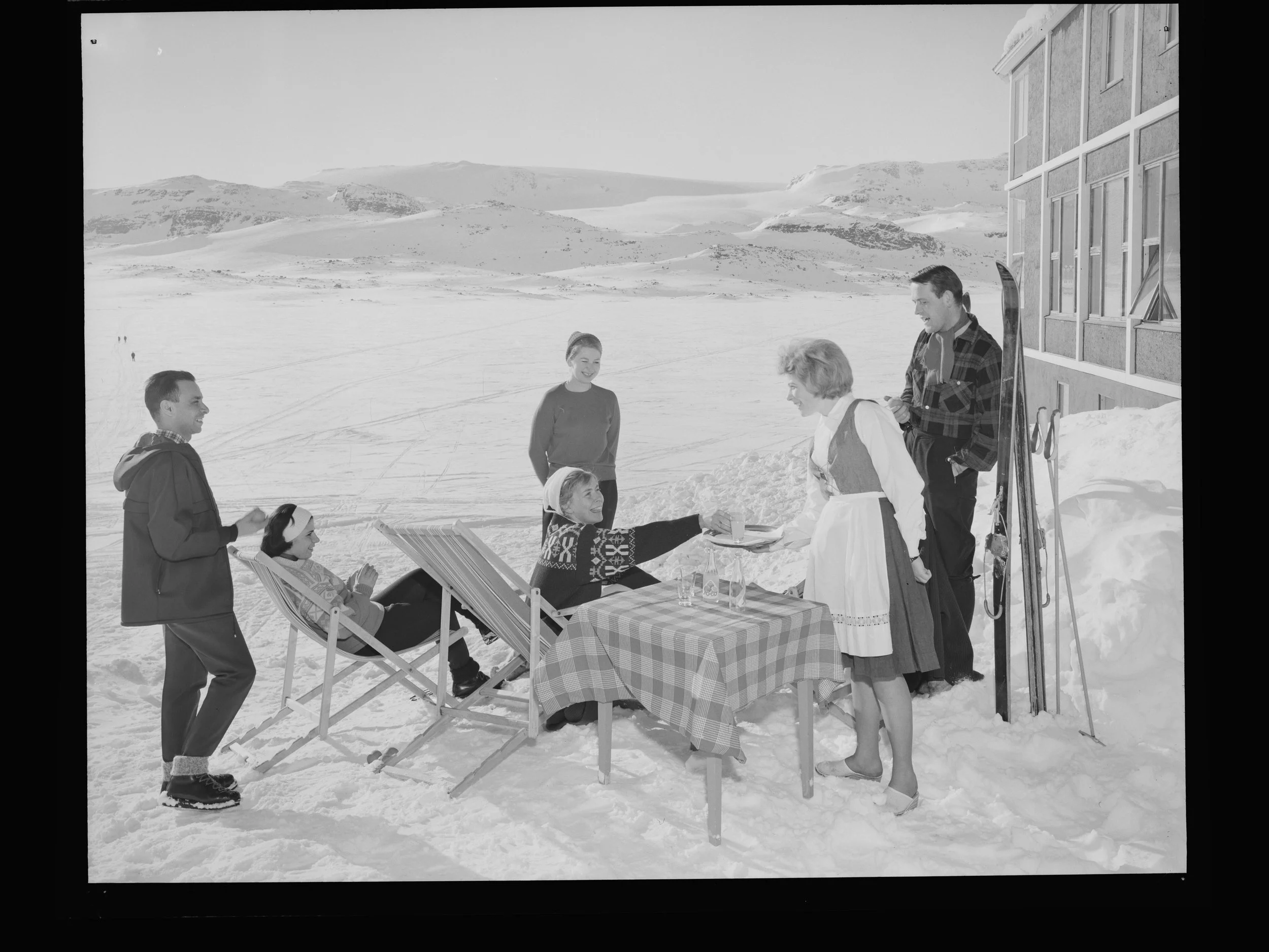
After the war, Finse Hotel regained popularity. The aristocracy and cultural figures of Norway returned; the place blended tradition with the growing appeal of mountain travel and winter sports
A cinematic world is born
1979
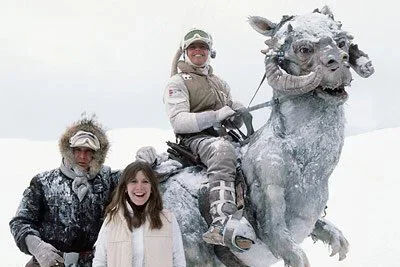
Finse’s dramatic terrain became the ice planet Hoth in Star Wars: The Empire Strikes Back. Filming endured one of the worst snowstorms in a century, but the location’s raw power made the scenes unforgettable.
New guides for the old lodge
1987-2020
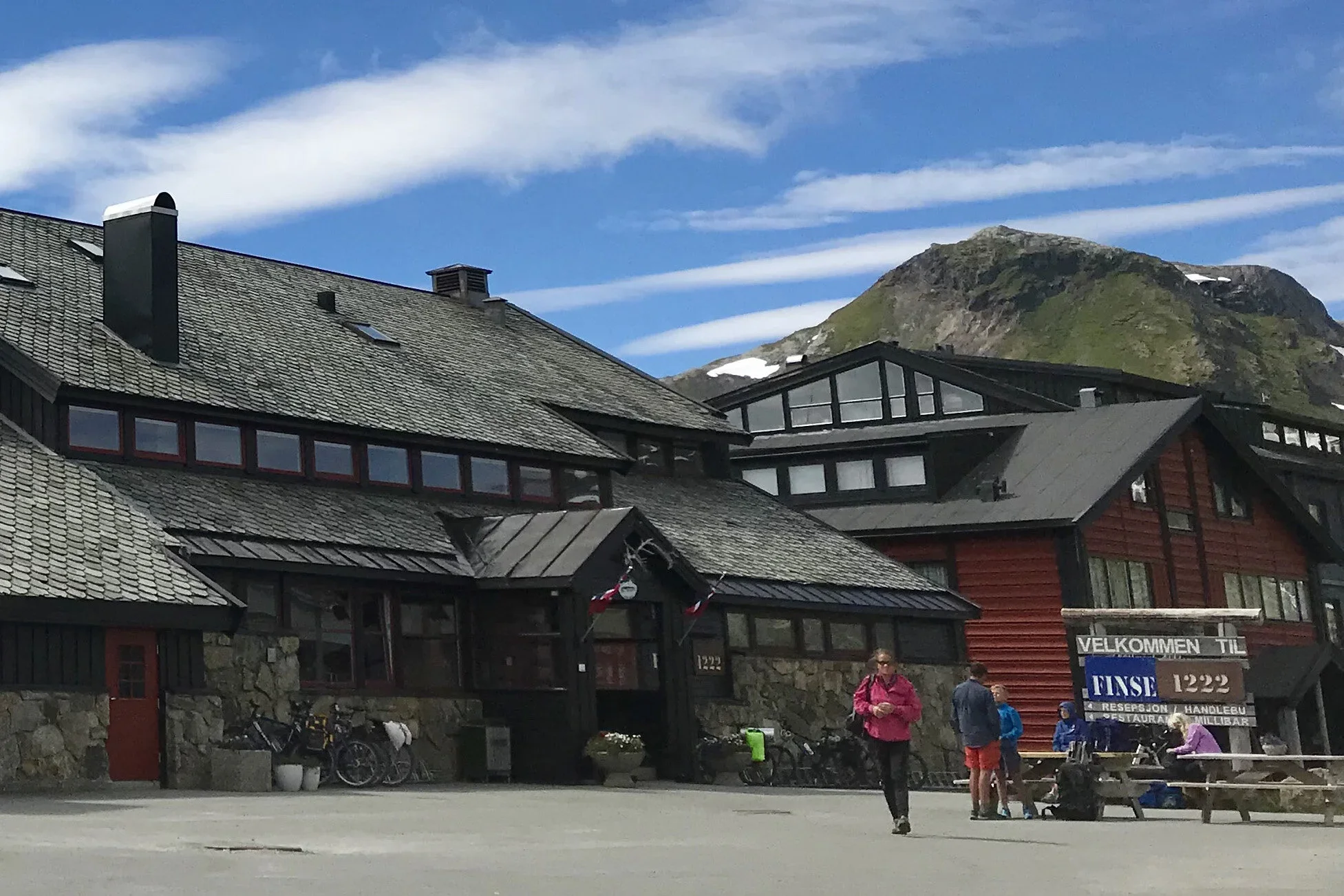
After a turbulent period, the Norman brothers became part owners in 1987 and took full ownership in 1995, leading the hotel through shifting tourism trends while keeping its heritage alive.
A festival of adventure
2010
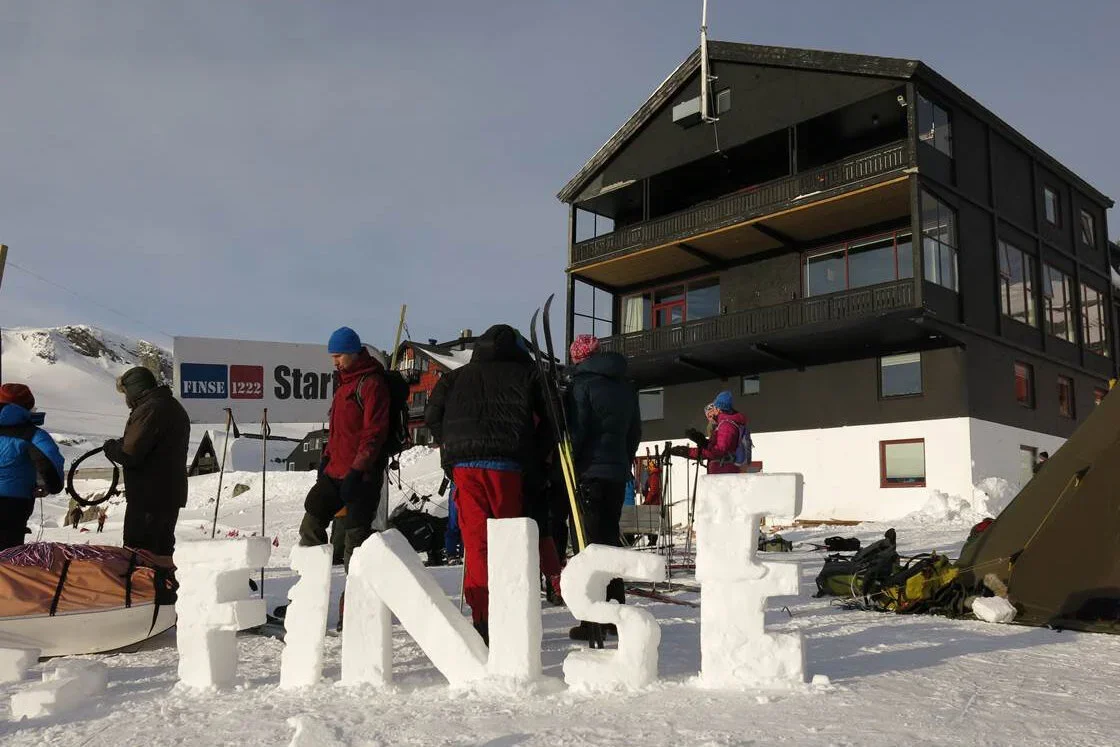
Finse embraced its explorer spirit with events like Expedition Finse, launched by then-Prime Minister Jens Stoltenberg, celebrating polar history, outdoor skills, and human curiosity across ages and ambitions.
a new era
2020-2021
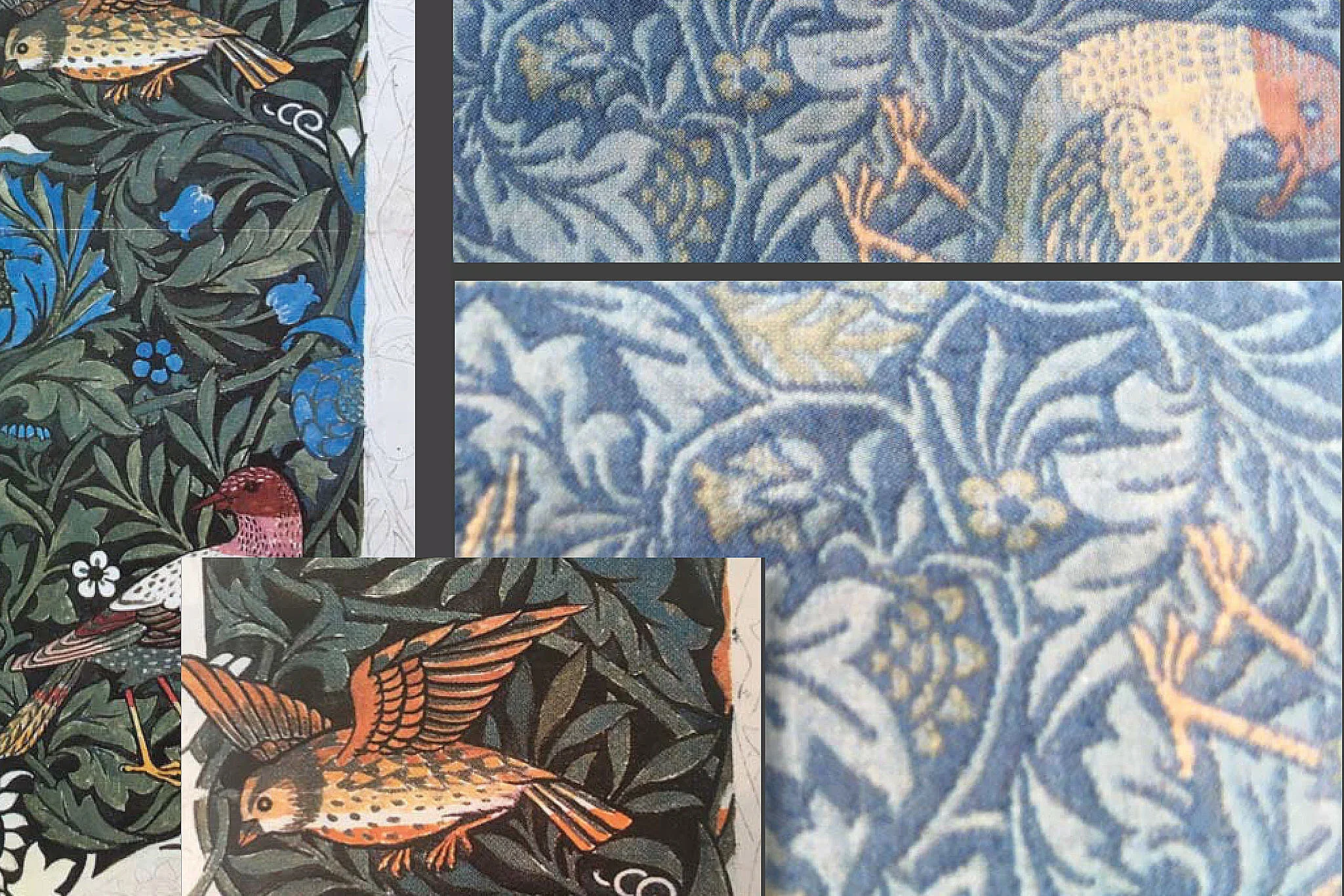
A new group of Finse-enthusiastic owners partnered with Snøhetta to carefully renovate the hotel. They brought old design pieces and photos back into the light, blending history with modern comfort. In summer 2021, the hotel reopened as Hotel Finse 1222, honoring its altitude, heritage, and future.
still a gathering place
Today
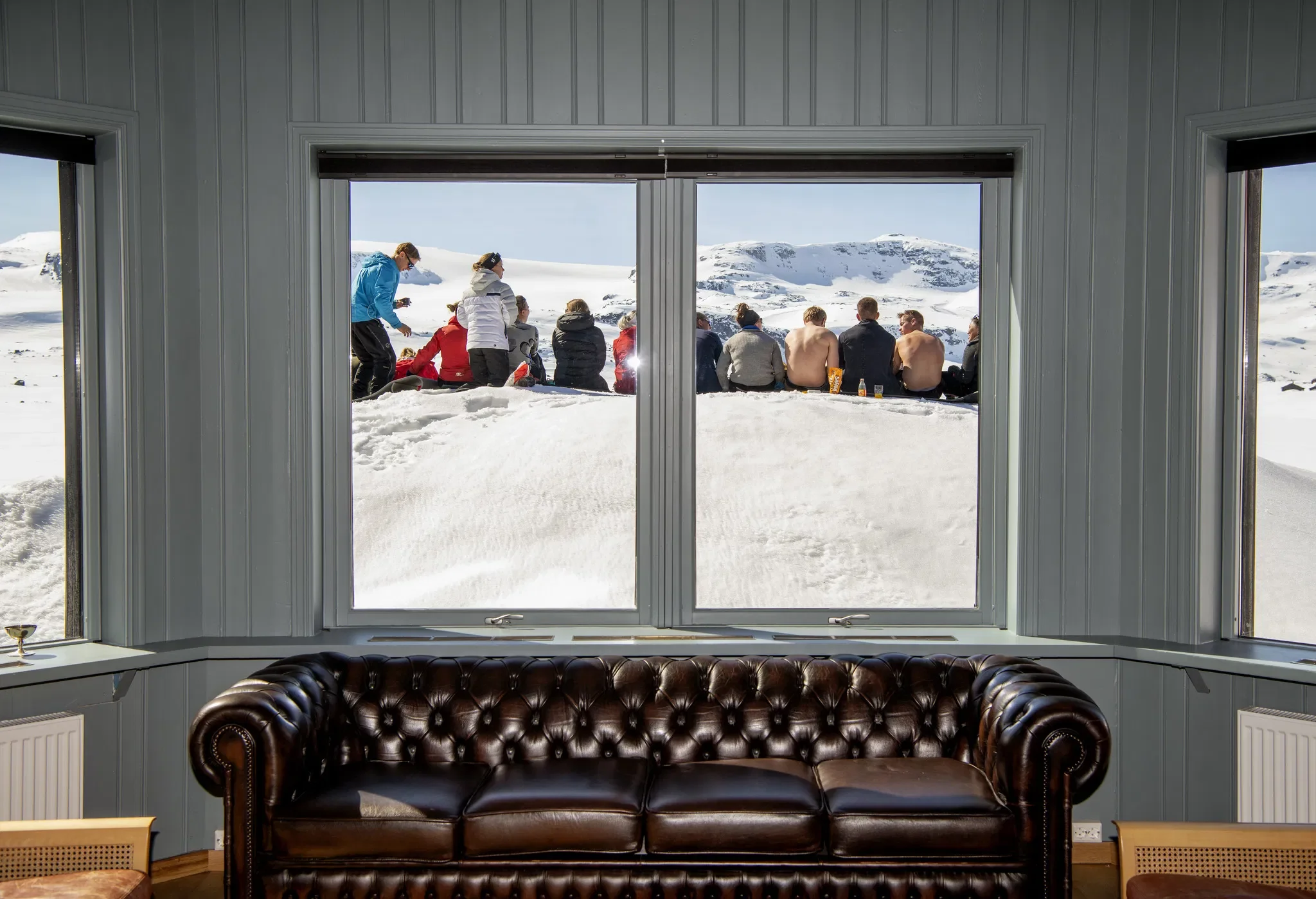
Accessible only by train, skis, or bicycle, Hotel Finse 1222 stands as a living chapter of Norwegian history, a place where guests find inspiration, peace, and connection to nature, exploration, and human endeavour much as they have for over a century.